
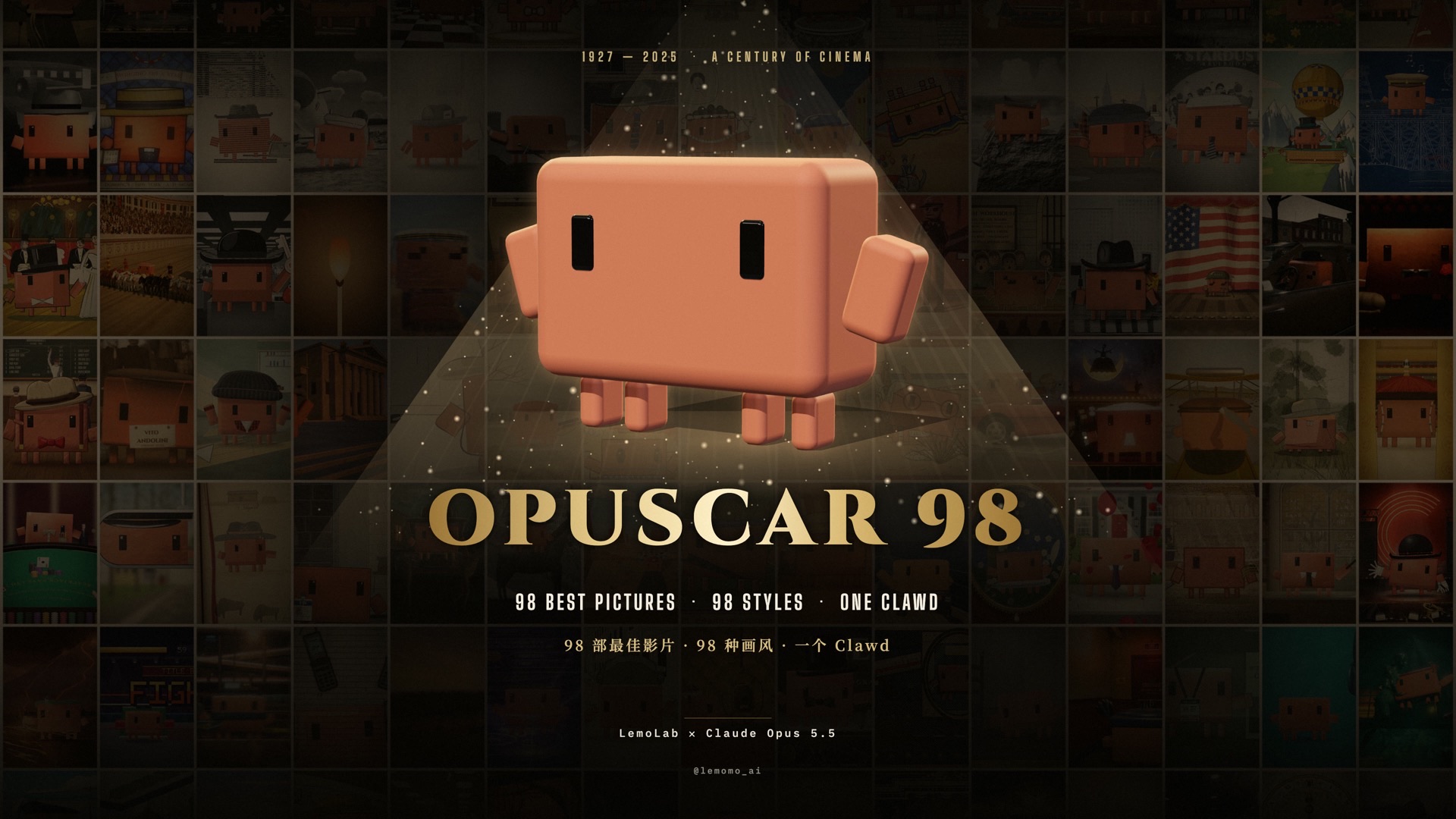
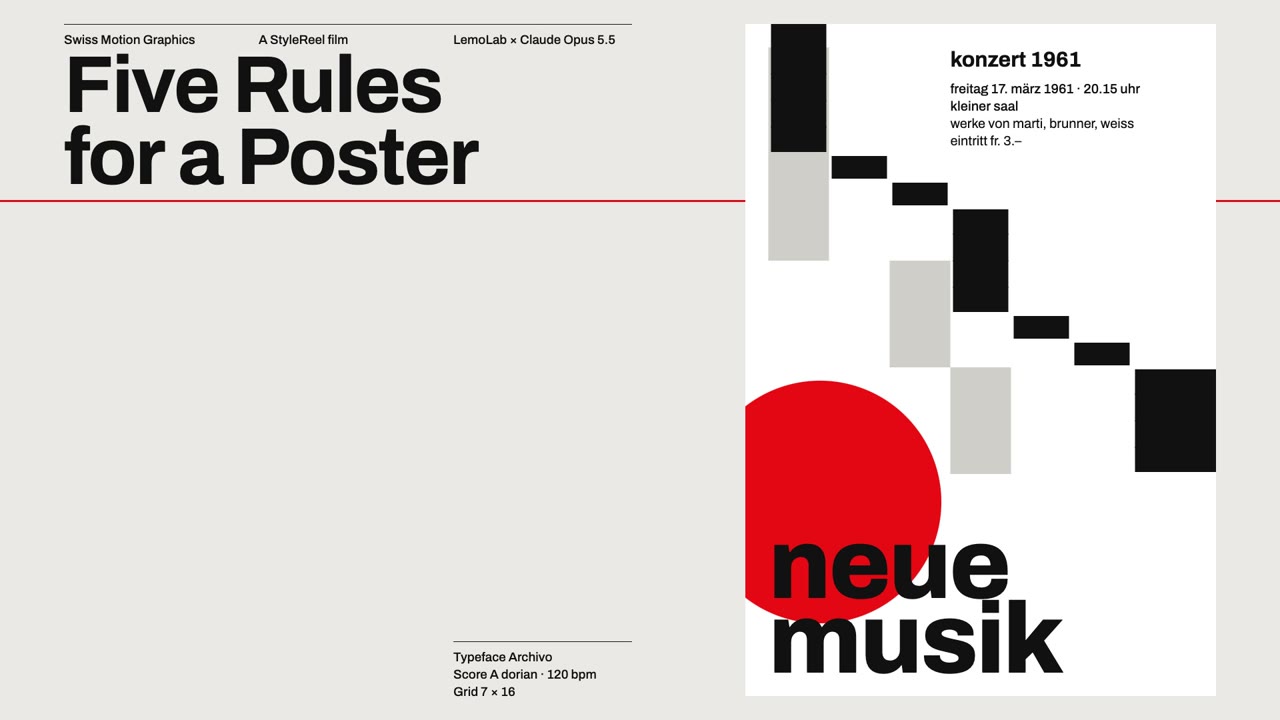
Lemo-Opuscar: 66 film styles your agent shoots in code
Someone cut NASA's Artemis I launch into a 30-second split screen that opens a camera on every count, and posted how on Reddit
- Who
- Made by Lemomo (LemoLab), for people who want Claude Code to make short films.
- When
- Published on 26 September 2026; seven new styles were added on 29 October.
- Where
- A Claude Code plugin; other agents copy its skill folder. Rendering runs on your own machine with Node, ffmpeg and Python.
What was hard
Ask a coding agent for a short film in code and you end up describing the look, the camera, the music and the voice one by one. Getting the feel you want into a prompt is half the work, and the render and the loudness are still yours to sort out.
What it does about it
Lemo-Opuscar is a toolbox of 66 film styles, each a style prompt paired with a demo film made only in code. Name a style and a topic, and the agent reads a director's guide and a technique guide and works like a small studio: canvas and WebGL pages captured frame by frame, a score from free sample libraries, narration from text-to-speech. You can also change a library style into your own, with your brand colours and logo, and keep it.

What people made with it
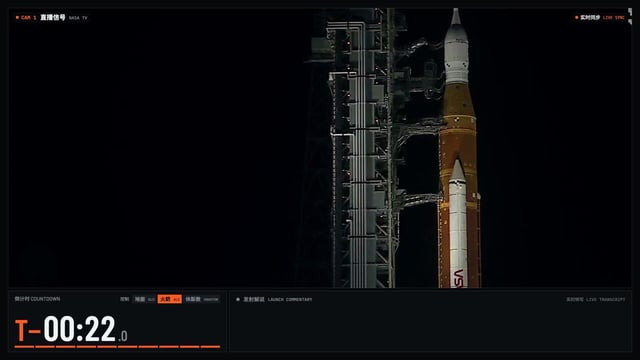
Picked the live countdown split-screen style and cut a 30-second Artemis I launch from NASA's public-domain footage, zero set by the ignition flash and the commentator's call.
The grid fills on the spoken countdown and merges into one picture at zero.
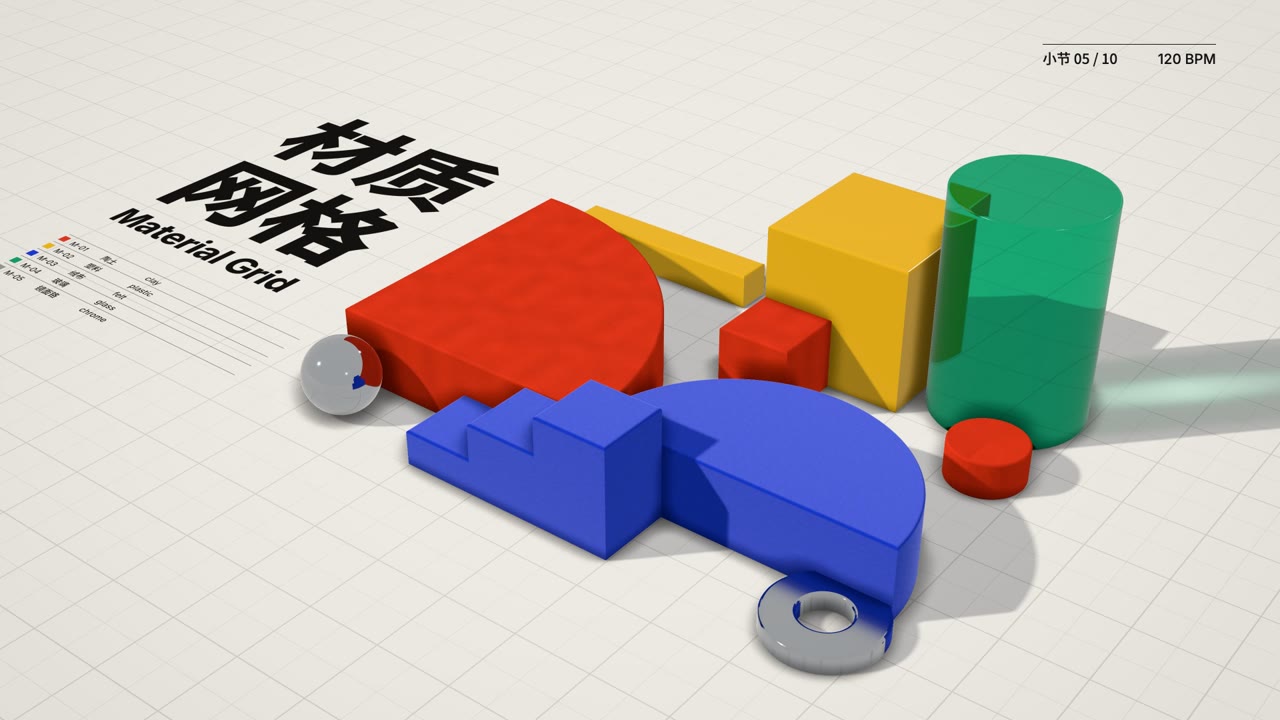
Built a new style, Memphis Diorama, with the library's tools: a 40-second demo where the season turns each time the plaza's big tree squats and springs back.
One fictional river bend goes through spring, summer, autumn and winter in one take.
Made a film of their own in the 1930s Rubber Hose Cartoon style, put it on YouTube and opened an issue to say thanks for the skill.
THANKS FOR THE SKILL
How it runs inside
- 1
You → lemo-opuscar skill
a style name and a one-line topicA request for a film in a named style matches the skill's description, so Claude Code loads it.plugin/skills/lemo-opuscar/SKILL.md - 2
lemo-opuscar skill → ~/lemo-opuscar library
setup.sh → LIB=~/lemo-opuscarClones or updates the library and prints its path; deps installs npm packages, a headless browser and a .venv.plugin/skills/lemo-opuscar/scripts/setup.sh - 3
~/lemo-opuscar library → Claude Code
AGENTS.md · STYLE.md · TREATMENT.mdQuestions come in one round; before opening the demo, the agent writes three structures and its pick in TREATMENT.md.AGENTS.md - 4
Claude Code → core/ render and voice tools
lines.json → tts.py → line WAVsKokoro voices the narration and asr_check.py transcribes it back to confirm every line is heard as written.core/tts/tts.py - 5
Claude Code → core/ render and voice tools
render(t) page → video.mjsThe page draws the scene at second t, and a headless browser captures every frame into a video.core/render/video.mjs - 6
core/ render and voice tools → <name>.mp4
mux.sh: −14 LUFS + film grainA two-pass loudnorm sets the sound to −14 LUFS, grain goes on, and the finished film is written.core/render/mux.sh
What goes in, what comes out
Is it for you
Good for
- Making explainers or short promos with Claude Code
- Films built from real material: satellite images, laser scans, archive footage
- Keeping a film style of your own, with your colours, logo and characters
Not for
- The styles are tuned for Claude Opus 5.5; other models may not reproduce them well
- A film takes an agent about 30–60 minutes and a fair amount of tokens
- Needs Node 20+, ffmpeg 7+ and Python 3.11+; Ubuntu 24.04's ffmpeg 6.1 is too old
- Three voice tracks in the demo films are not CC BY 4.0 and may not be reused
Reviewed by Devalley’s editor before publishing. How the column is made